Friday, June 2, 2017

16 - Practice Principle #3: Provide Effective Feedback

Brief Definition
Clark and Mayer (2011) point out that while just the right amount of practice increases learning in e-courses, adding effective feedback to explain incorrect responses is the proper use of Practice Principle #3. However, research shows that there is a perfect amount and method for providing explanatory feedback. In broad content common in science, the creation of such feedback can be quite complicated and add significant time to course development.

An Artifact
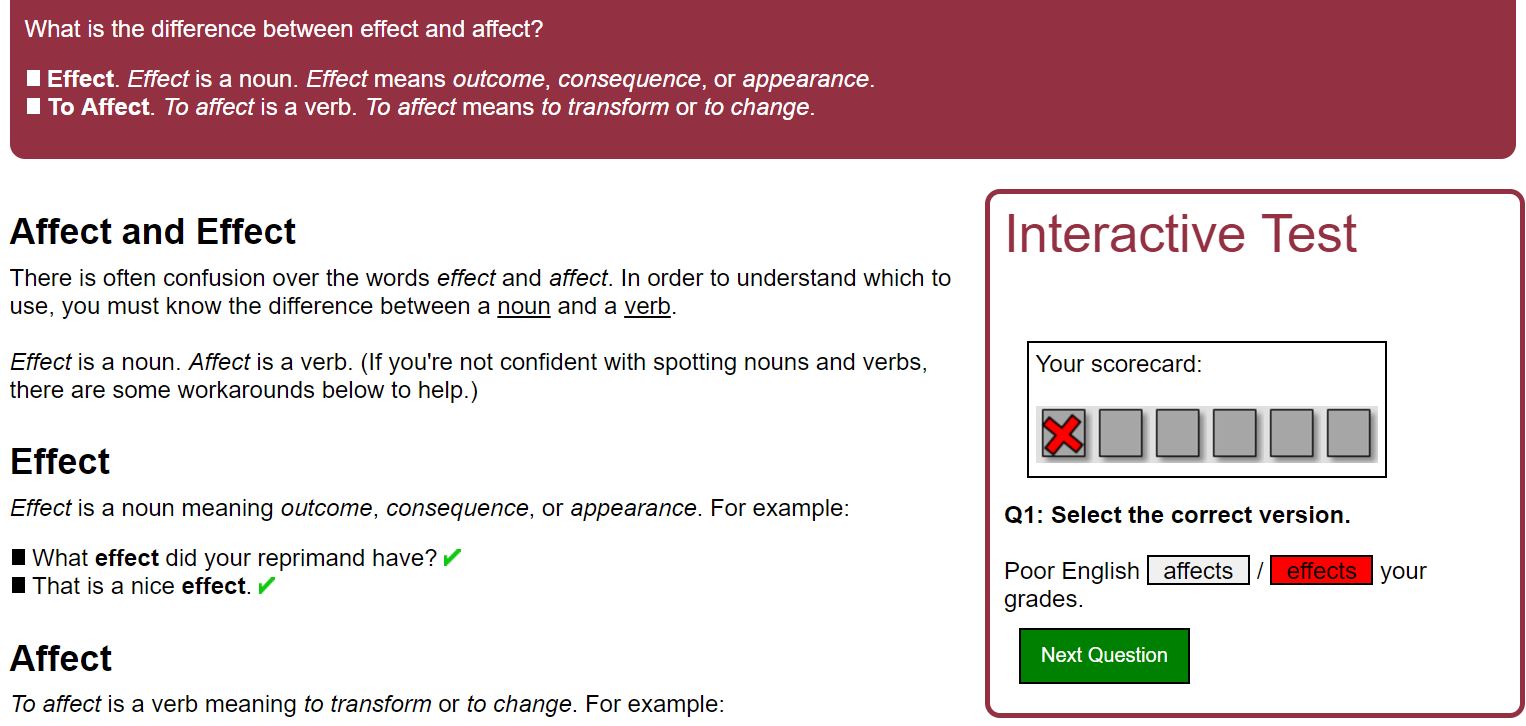
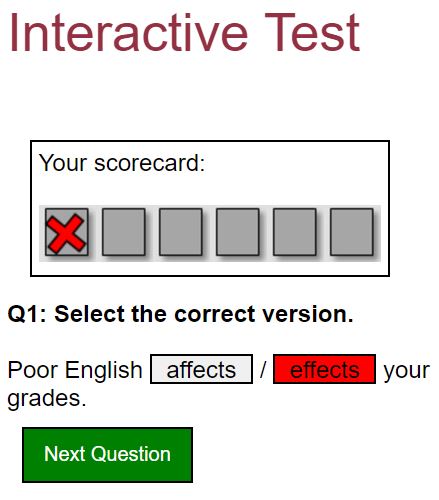
A very common grammar error, correctly distinguishing between the words “Affect” and “Effect”, is tackled in an e-lesson by GrammarMonster.com. With a similar setup as the previous example, the user must take the time to read through the lesson. For this lesson, there are no graphics - only text. And then, for a quick check, the user can take a few minutes to click through the practice sentences in the interactive test. When I checked to see whether the platform offered feedback, I was disappointed to see that it was only a big red X. Something as simple as ‘Remember, “affects” is a verb and in this sentence, a verb is required’ may have benefited learners and met Practice Principle #3.
practice - 2.JPG
practice - 2-2.JPG


References

Clark, R. C., & Mayer, R. E. (2011). E-learning and the science of instruction: Proven guidelines for consumers and designers of multimedia learning. San Francisco, CA: Pfeiffer.

15 - Practice Principle #1: Add Sufficient Practice Interactions to e-Learning to Achieve the Objective

Brief Definition
Practice makes perfect! According to Clark and Mayer (2011), in e-learning, achieving the right balance between instruction and practice is challenging. Some practice is effective; however, research shows that getting into the realm of “over-learning,” which is different for different content, does not increase learning.

An Artifact
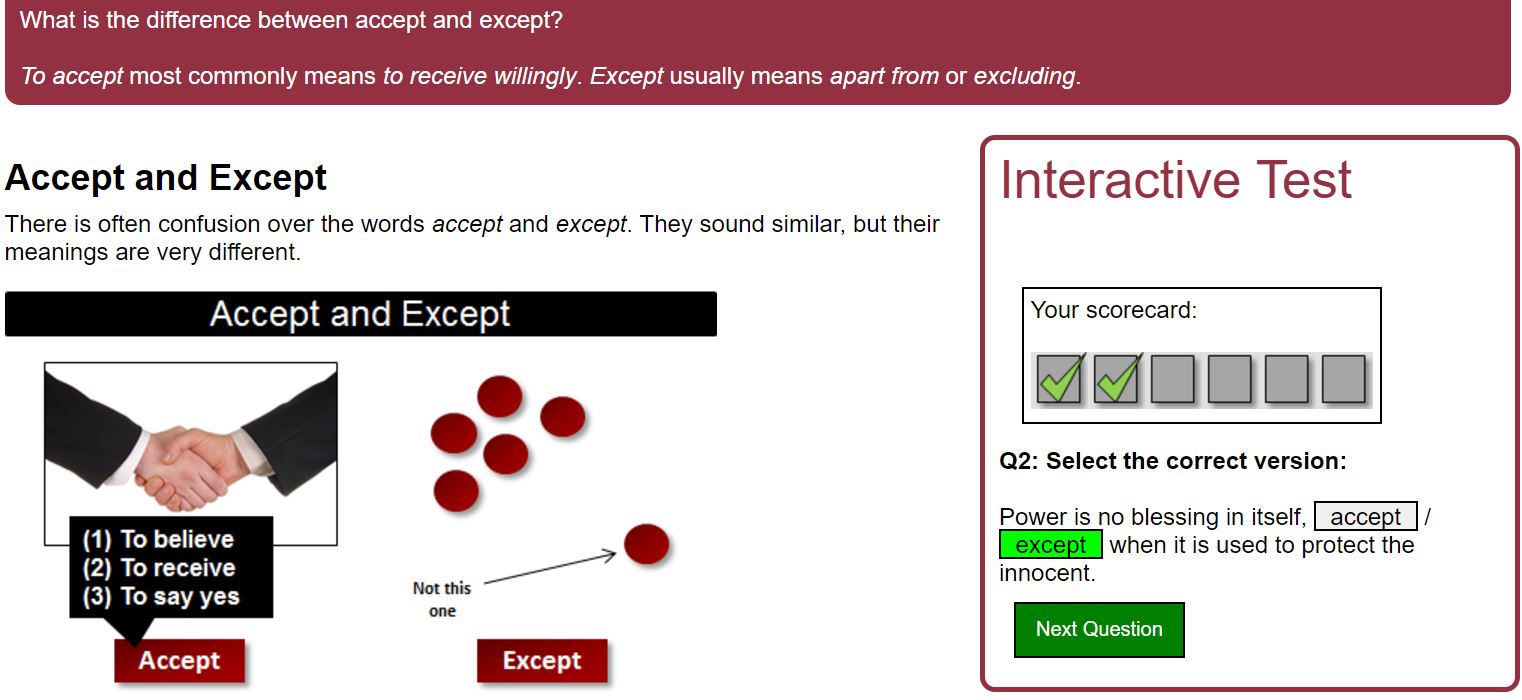
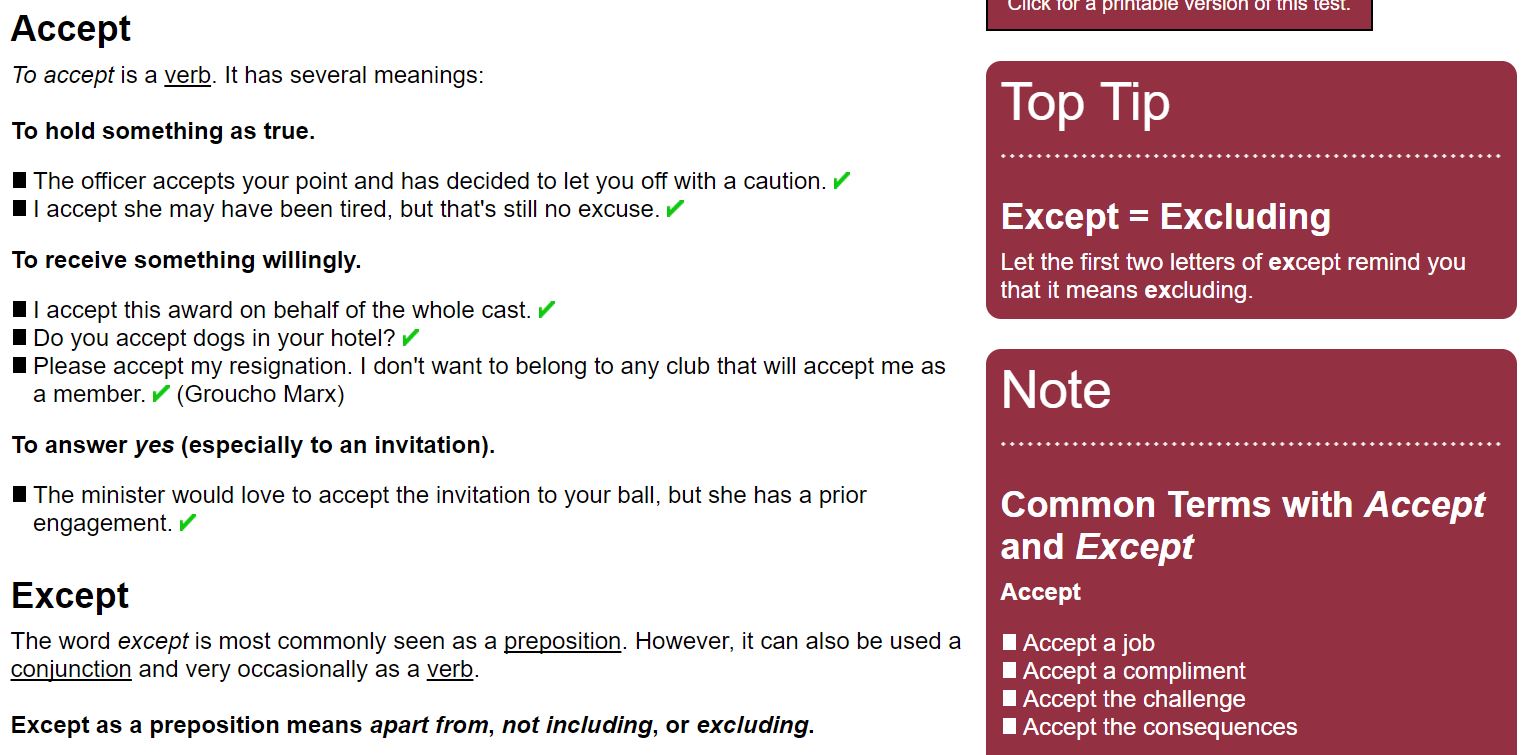
GrammarMonster.com offers some excellent basic grammar e-courses. They are segmented by topic. This is in the “Easily Confused Words” category and is called Accept and Except. There are some excellent components in this lesson. For example, notice the graphic in the first image below. The images are perfect pictorial explanations of the difference between the two words. However, as shown in the second image, the all-text lesson continues beyond the images to more in-depth written explanations of the words. There is even additional information in text boxes. And then after the user has explored all of the information and read the examples, the top right corner of the screen offers practice through an “interactive test.” If all other principles had been appropriately applied in this lesson and, therefore, some knowledge transferred, then the practice problems/sentences would be an effective application of Practice Principle 1.

practice - 1.JPG

practice - 1-2.JPG

References

Clark, R. C., & Mayer, R. E. (2011). E-learning and the science of instruction: Proven guidelines for consumers and designers of multimedia learning. San Francisco, CA: Pfeiffer.


14 - Worked Example Principle #3 - Include Instructional Explanations of Worked Examples in Some Situations

Brief Definition
Clark and Mayer (2011) draw upon research when they suggest that adding further explanation to worked examples may benefit learning in some cases. These situations include a) when content that is geared more toward grasping the concepts than gaining problem-solving expertise, b) when students are relying only on the explanation with no “self-explanation” questions, and c) when the content is mathematics.

An Artifact
CoolMath4Kids has great tutorials on elementary math concepts such as the one featured here, Division: Standard Algorithm. The teacher doesn’t just work division problems. She does a great job working multiple example problems and explaining why various responses work or don’t work in the equation. See the image below for an example of the Worked Example Principle #3.


Worked 3.JPG
References

Clark, R. C., & Mayer, R. E. (2011). E-learning and the science of instruction: Proven guidelines for consumers and designers of multimedia learning. San Francisco, CA: Pfeiffer.

13 - Worked Example Principle #1: Fade from Worked Examples to Problems

Brief Definition
Worked examples are instructions that lead the user through a series of steps showing exactly how to find a solution. Clark and Mayer (2011) suggest that while these straightforward, piece by piece instructions are helpful to users, it is even more helpful when the user is required to interact at each step leading the user to eventually work the problem on their own.

An Artifact
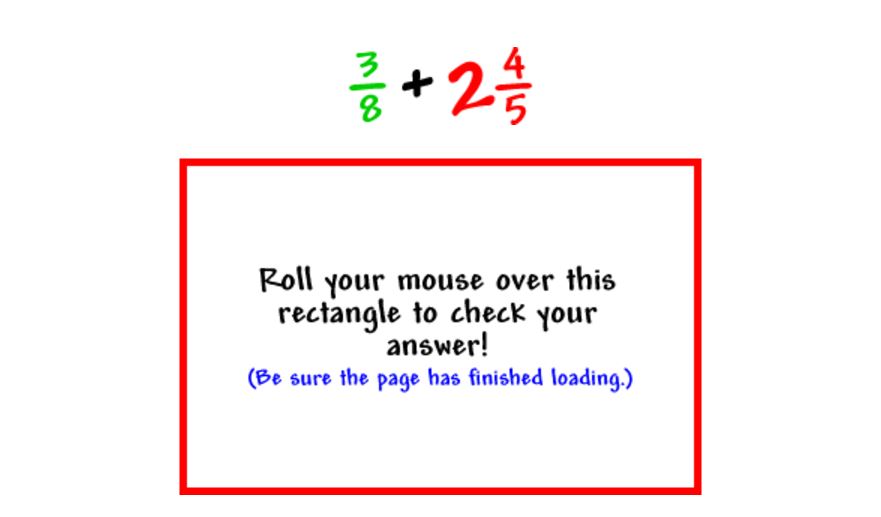
CoolMath4Kids has great tutorials on elementary math concepts such as the one featured here, Fractions: Adding and Subtracting Fractions with Whole and Mixed Numbers. While the instructor does offer simple, clear instructions and multiple examples leading to problems for the learner to try, there is no fading. Instead, the learner is expected to work the problem and then scroll over the problem to see the detailed answer. For this beginning level of fractions study, the more phased approach found in Worked Example Principle #1 would have been helpful. 
worked 1-1.JPG


References

Clark, R. C., & Mayer, R. E. (2011). E-learning and the science of instruction: Proven guidelines for consumers and designers of multimedia learning. San Francisco, CA: Pfeiffer.

12 - Segmenting Principle

Brief Definition
Authors Clark and Mayer (2011) support the theory that material of a complex nature should be broken down into the logical sections. Specifically, they suggest that e-learning be broken into “parts that convey just one or two or three steps in the process or procedure or describe just one or two or three major relations among the elements” (p.209). In addition to the lesson content, the authors define the introduction of new terms or concepts needed to digest the content as the Pretraining Principle.

An Artifact
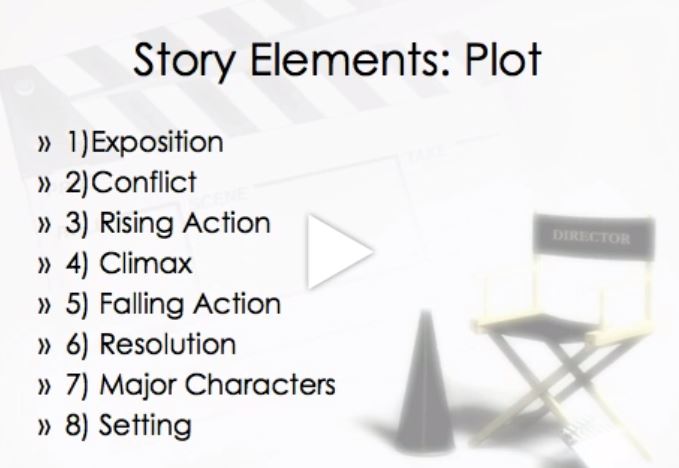
In this series of middle school-directed lessons on Story Elements by Victoria Costley, the author breaks down an eight-part lesson into smaller parts. The one featured here includes three concepts (Exposition, Conflict, and Rising Action), exactly what Clark and Mayer (2011) suggest is appropriate for the Segmenting Principle. However, prior to diving into the first 3 topics listed on the first image below, the author suggests that it would be helpful to first explain story maps (see the second image), a concept used throughout the lesson. In doing so, she has also applied the Pretraining Principle.

segment 1.JPG

segment 2.JPG

References

Clark, R. C., & Mayer, R. E. (2011). E-learning and the science of instruction: Proven guidelines for consumers and designers of multimedia learning. San Francisco, CA: Pfeiffer.

11 - Personalization Principle #3

Brief Definition
The third Personalization Principle suggests that having interaction (or perceived interaction) with the author of the material is beneficial to learning (Clark and Mayer, 2011). This visibility of the author can be accomplished through the first-person thoughts of the author’s personal experience and opinions. It can either be spoken or written and is effective as long as other multimedia principles are applied.

An Artifact
This video that teaches a short lesson about Equations With Variables on Both Sides hints at Personalization Principle #3 because the author inserted a silly introductory scene applying the math concept to real life - something the author may have actually used the concept for. However, it misses the Personalization Principle #3 mark since it isn’t the author personalizing the discussion - the author places himself as a shop lady conversing with Spiderman in the midst of a pastry purchase. While the introduction and final scene are entertaining and would capture the audience, the effectiveness may have increased had the author put himself in the scene and portrayed it as a real-life example (even if the customer was Spiderman!).

personalization 3.JPG

References

Clark, R. C., & Mayer, R. E. (2011). E-learning and the science of instruction: Proven guidelines for consumers and designers of multimedia learning. San Francisco, CA: Pfeiffer.

10 - Personalization Principle #2

Brief Definition
Personalization Principle #2 takes the first Personalization Principle to the next level: use that same friendly, conversational style, but add a graphic (either still or animated) “pedagogical agent” (Clark & Mayer, 2011, p. 191) to the course. Research has shown that these friendly characters actually do improve learning!

An Artifact
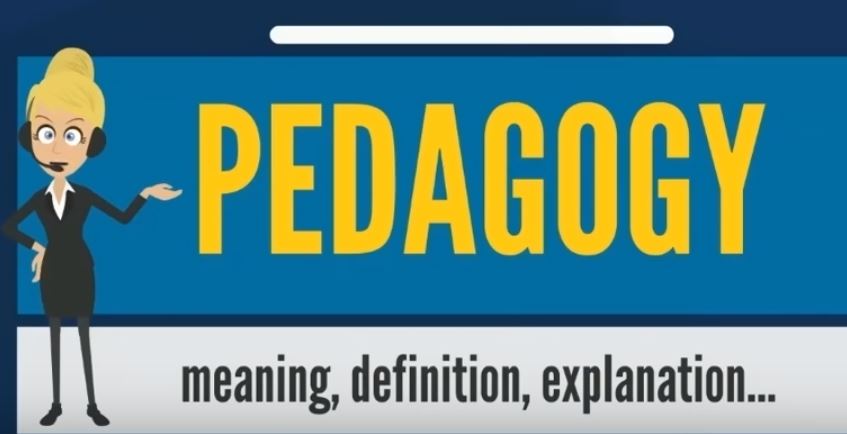
The Audiopedia has numerous e-learning videos that are intended to inform the user about various topics. The one featured here, “What is Pedagogy?,” is a great example of an attempt to meet the Personalization Principle #2. A friendly but professional animated lady welcomes users to the “class” and proceeds to talk, however, she uses a computerized, monotonous voice. The script rapidly evolves from a simple definition to a complicated explanation of pedagogy. Therefore, this example is in violation of, among other things, the Personalization Principle #2. In addition, the background screen stays the same throughout the entire 5-minute video. There are no scene changes, no graphics to further learning.

personalization 2.JPG

References

Clark, R. C., & Mayer, R. E. (2011). E-learning and the science of instruction: Proven guidelines for consumers and designers of multimedia learning. San Francisco, CA: Pfeiffer.

Project 4: Multimedia (Stop-Motion Video)

Activity Report 1. Explore your Topic (1-2 hours) Stop motion is a fascinating type of video that everybody loves! My knowledge of it i...